Tunisia
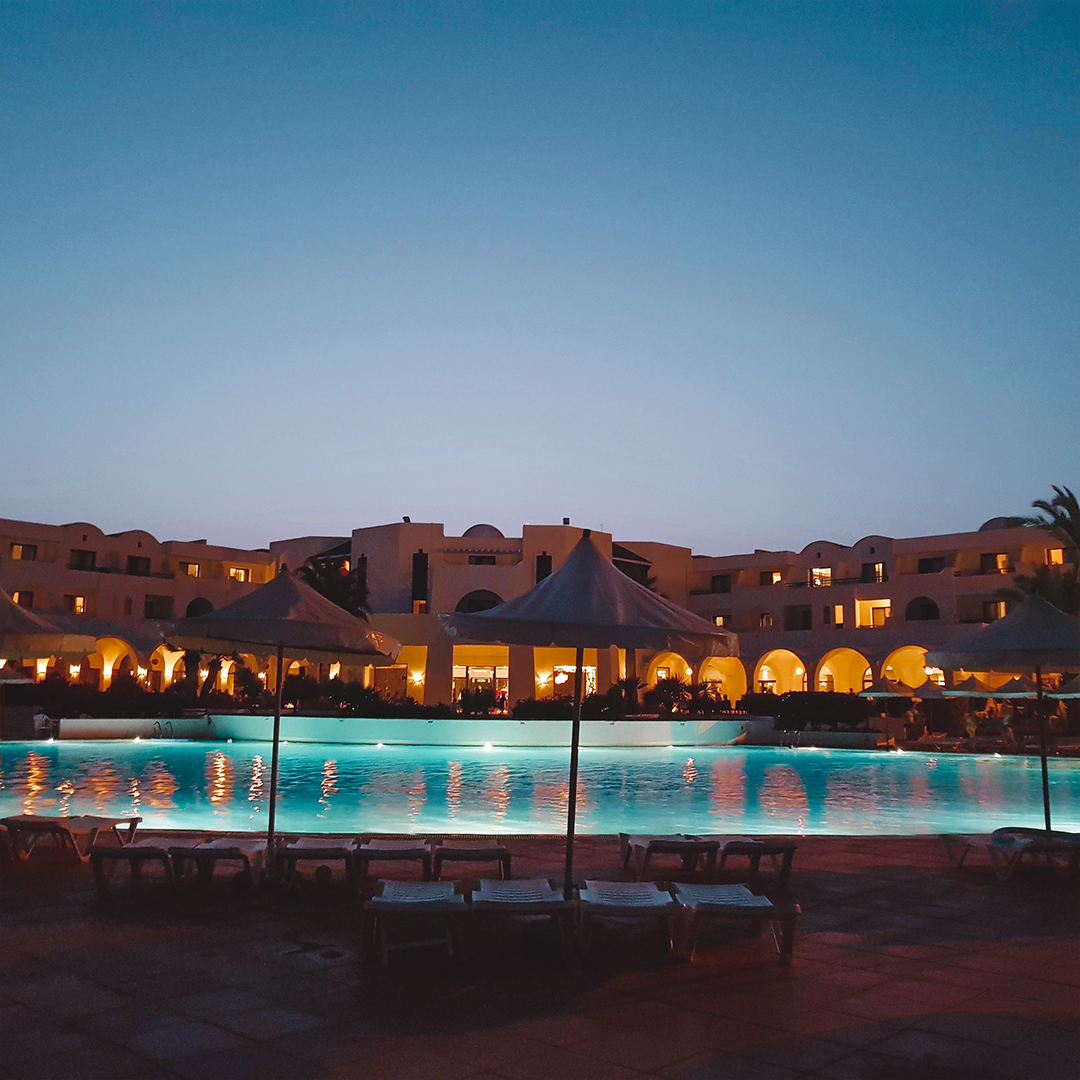
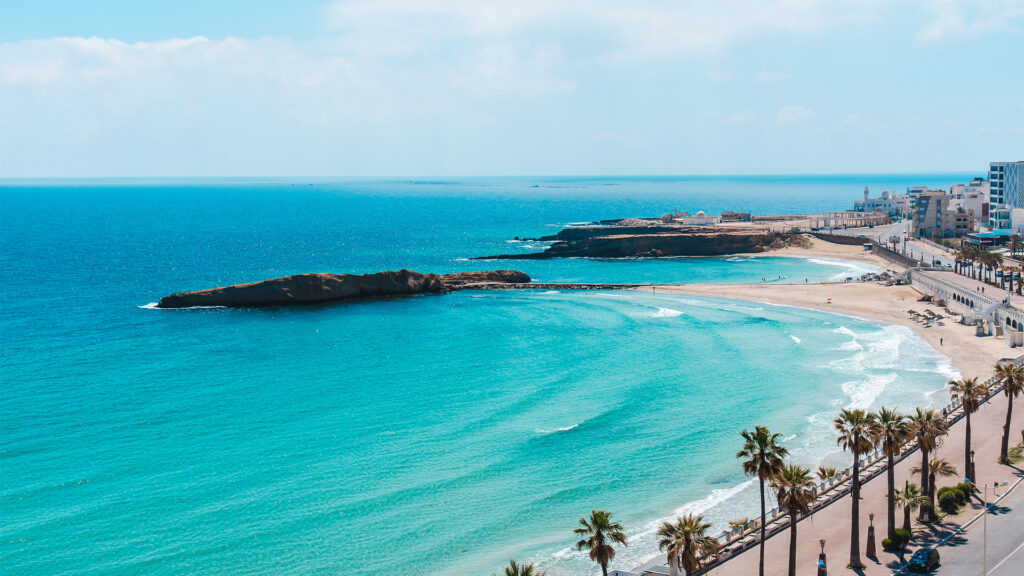
Tunisia is an ideal holiday destination, not only because of the leisure aspect, but also because of the attractions it offers and the multitude of places to visit. When looking for a suitable holiday destination, I have already chosen this country twice. After what I was able to testify there, I am sure that I will come back there more than once. During my travels to this country so far, I managed to visit the Monastir and the Djerba island. I would especially like to recommend choosing a hotel on the previously mentioned island due to its beautiful sandy beaches, clear azure water and amazing picturesque landscapes. This place is remarkable, even if we are in another city, and we come to the island only to visit it. In my opinion, Tunisia is a great travel destination. The prices of most holiday offers offered by travel agencies are always relatively low, and the very standard of hotels is satisfactorily high. It is also a good travel destination in case you go there on your own, without the help of a travel agency. In addition, in the period from April to September, the weather there is almost perfect, and the temperatures during the holiday season reaches up to 35-40 ° C. I personally prefer warm climates and high temperatures, which is why both my trips were carried out during the typical holiday period between June and September. In this article, I will tell you about my stay in this country, about what to visit in Tunisia, what dishes to try, personal travel tips and what to remember about before coming to this country.
Places worth visiting
Tunisia has a huge amount of tourist attractions that are worth visiting and seeing with your own eyes. Very interesting trips are organized here, which I have been on myself and it is worth taking advantage of them, because then it is much cheaper, easier and safer than organizing sightseeing on your own. Trips organized by local tourist companies also provide greater travel comfort and are carried out in such a way as to maximize the time devoted to them. Later in this article, I will tell you about the places that I recommend the most when visiting this country, as well as about all my experiences with these tours.
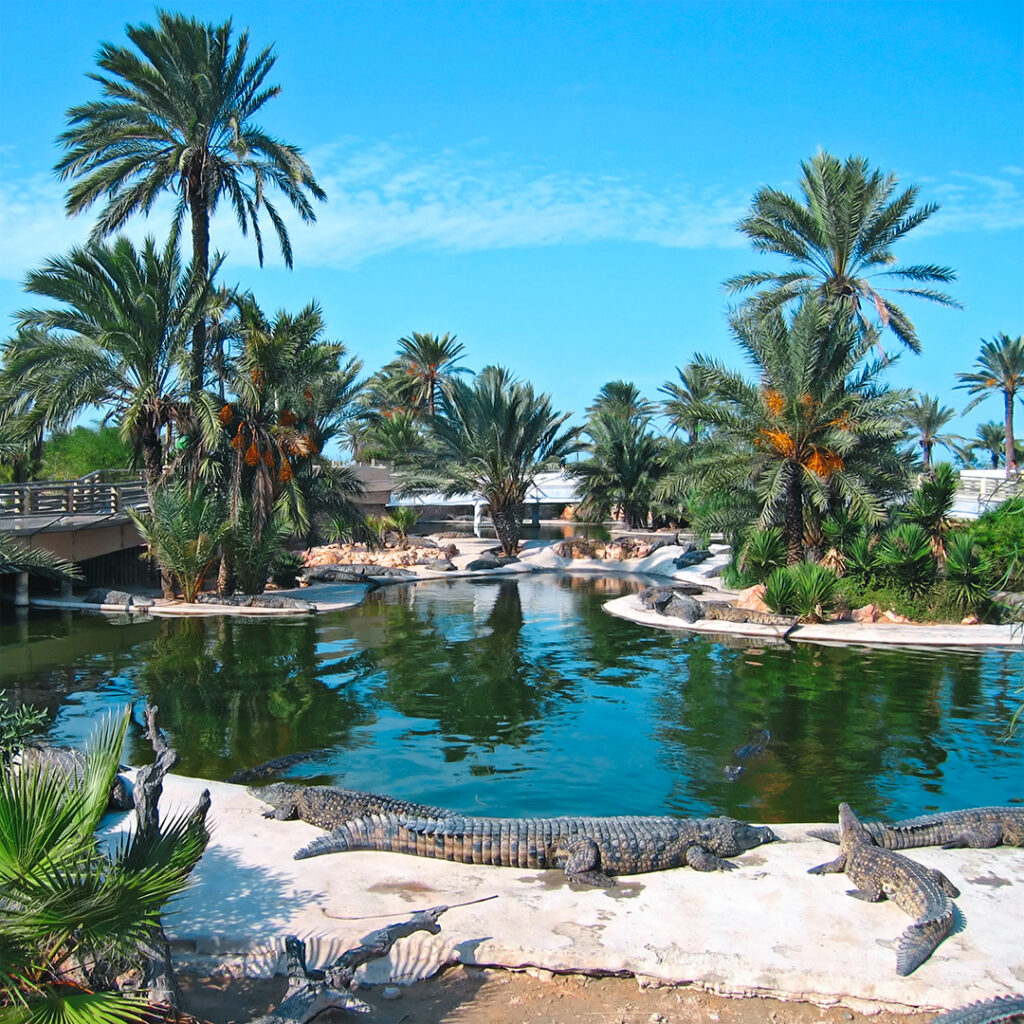
One of the must-see places on the Djerba island is the Explore Park Crocodile Farm, which also houses the Djerba Traditional Heritage Museum and the Lalla Hadria Museum. By purchasing a ticket, you will get access to all the above-mentioned places. When I was at the crocodile farm, I was able to see the crocodiles at feeding time. I was also able to participate in this activity, which was an amazing experience for me. Another attraction offered by this place was the opportunity to take pictures of yourself with small crocodiles. In addition, you could see other animals rarely found in Europe, as well as a lot of exhibitions showing old jewelry, clothing and items related to the traditions of the island. Another, in my opinion, must-see place is the Amphitheater in Al-Dżamm, built in the years 230-238 A.D., which is one of the three largest amphitheaters in the world and is on the UNESCO World Heritage List. This place made a great impression on me, especially considering the fact that it was the background of movies such as "Gladiator" and "Troy". I also liked the Chebika and Tamerza oases surrounded by desert and mountain range, which delighted with beautiful views of streams and waterfalls flowing from the rocks, palm trees and the azure lake. It was there that the film "In Desert and Wilderness" was filmed.
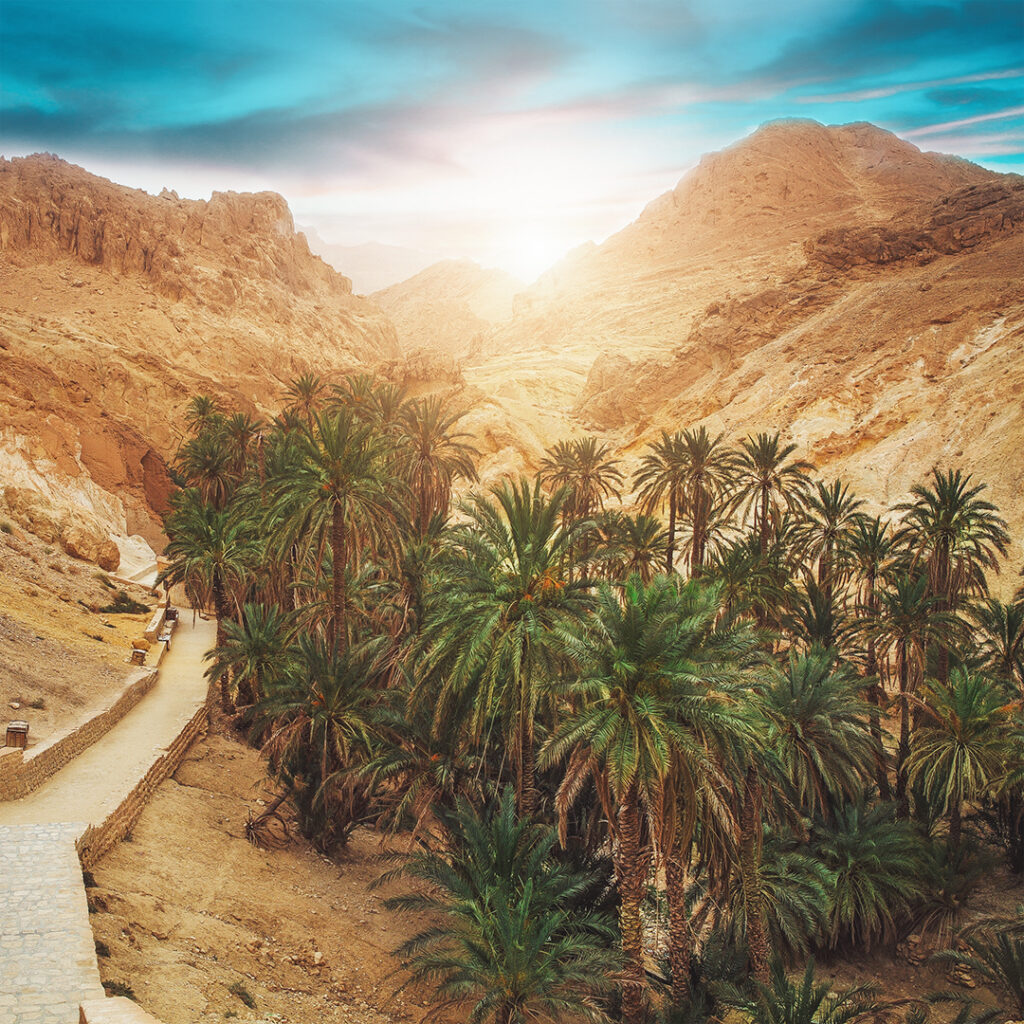
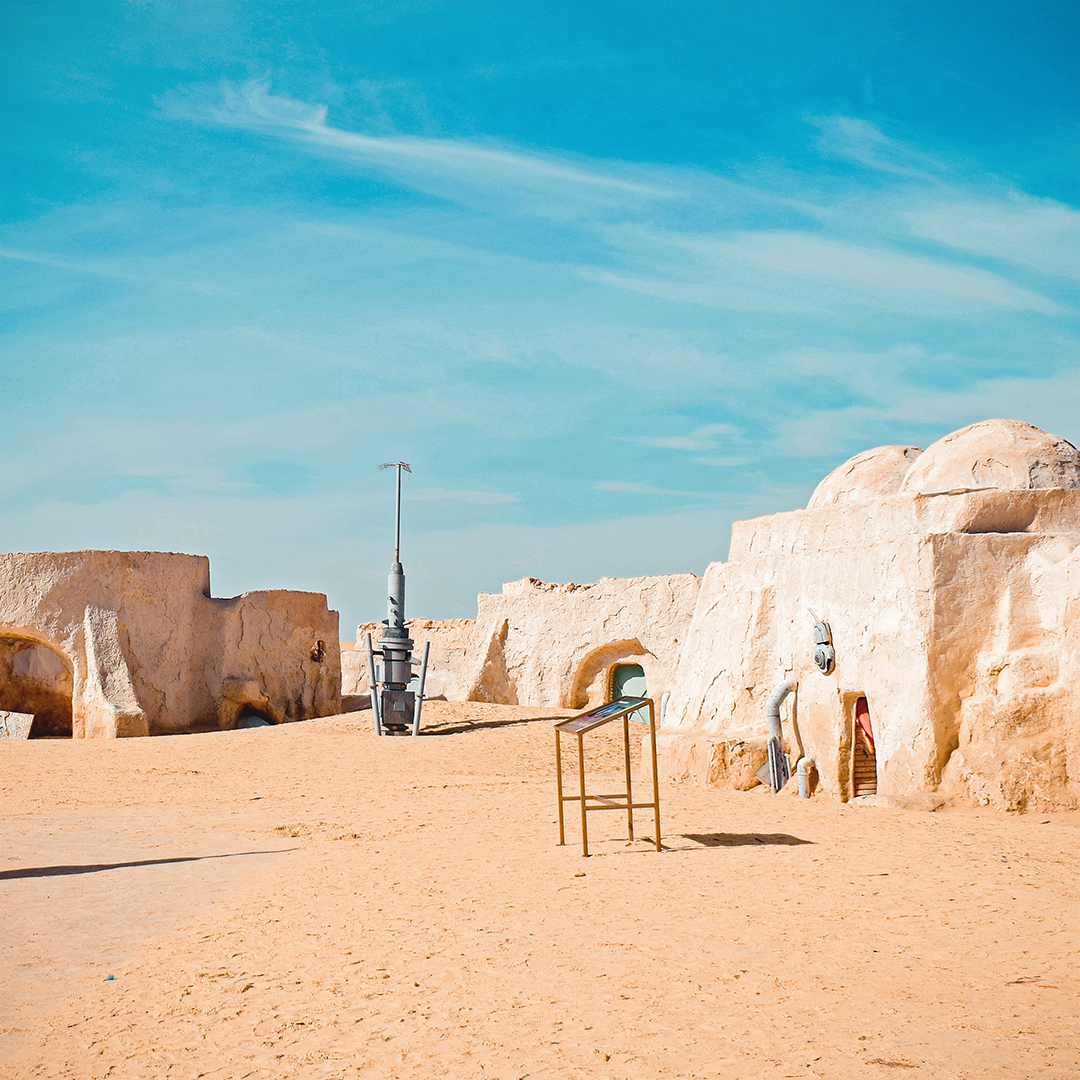
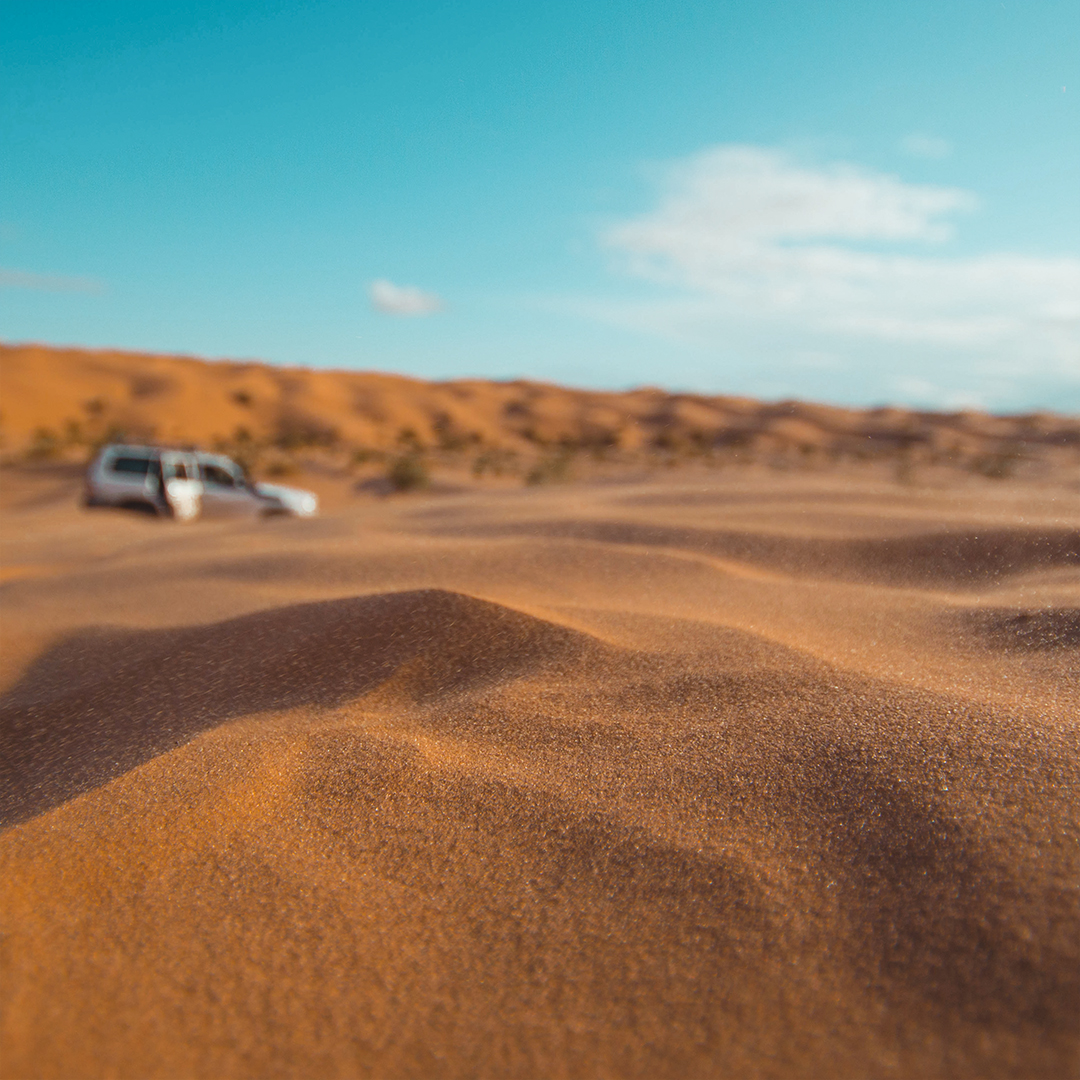
If you want to see with your own eyes what a real oasis in the middle of the desert looks like, this is a must-see for you. In one of these waterfalls you could take a bath and take beautiful, magical photos. In addition, I especially recommend visiting the town of Tatooine, where scenes from the movie "Star Wars" were filmed. This city creates a real lunar landscape. There, I could also see live scorpions, pick up little fennel foxes and take pictures with them. In the trip I was on, we went there in jeeps, which, on the way to our main destination, we took part in a rally on the former route of the Paris-Dakar rally. This rally was planned by the organizer of our trip. During the race we were caught by a sandstorm, which added an extra thrill. On this route, we rode jeeps from the dunes at an angle of almost 90 °, and also drove them completely sideways. For fans of high adrenaline, in my opinion, this is a trip that cannot be ignored. It is also worth mentioning that near the aforementioned route there is the village of Matmata, which is carved in the rocks. An interesting fact is that it is still inhabited by the indigenous people of Tunisia. Being in one of the berber rock flats, we could try sweet green tea with mint and bread with olive oil, baked on the spot.
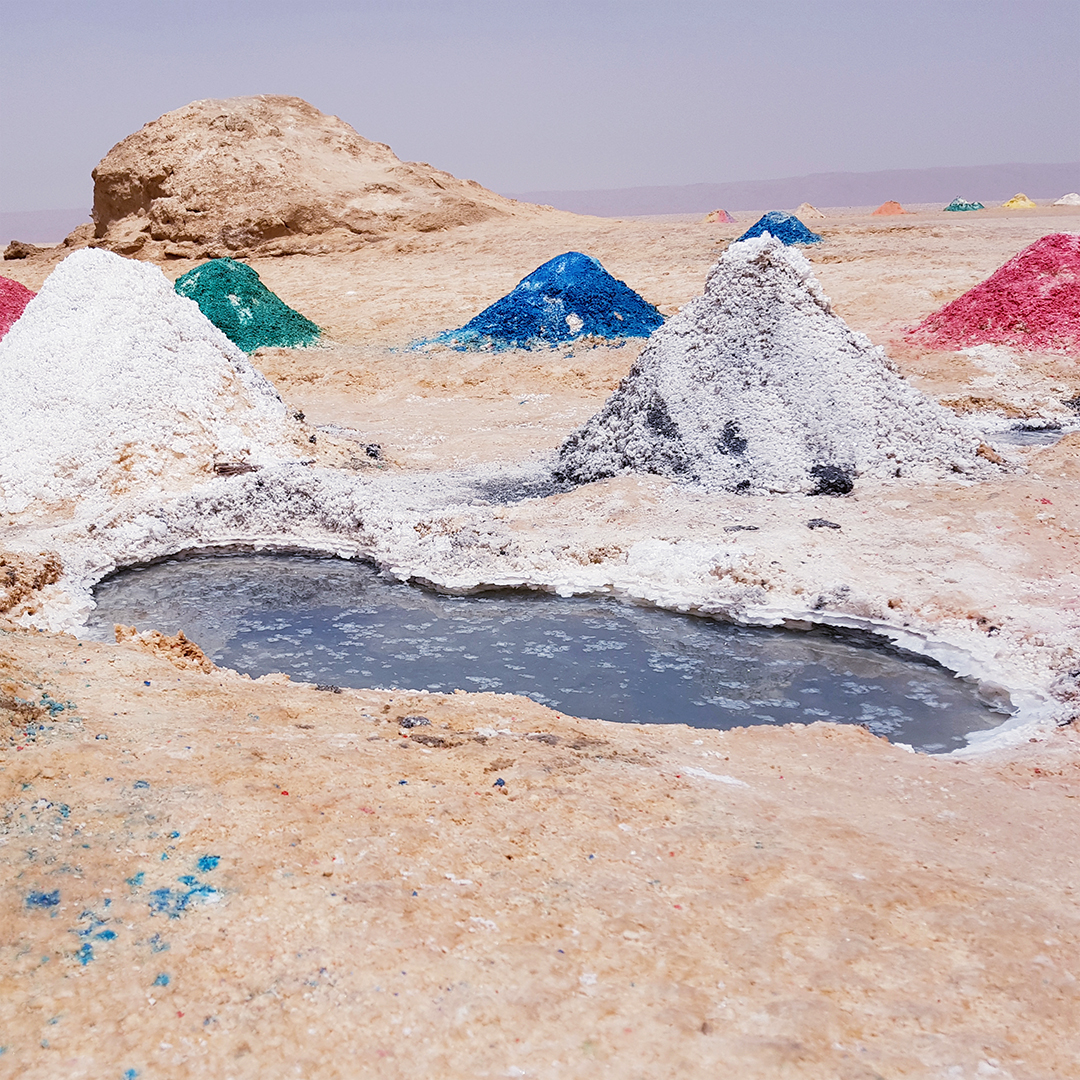
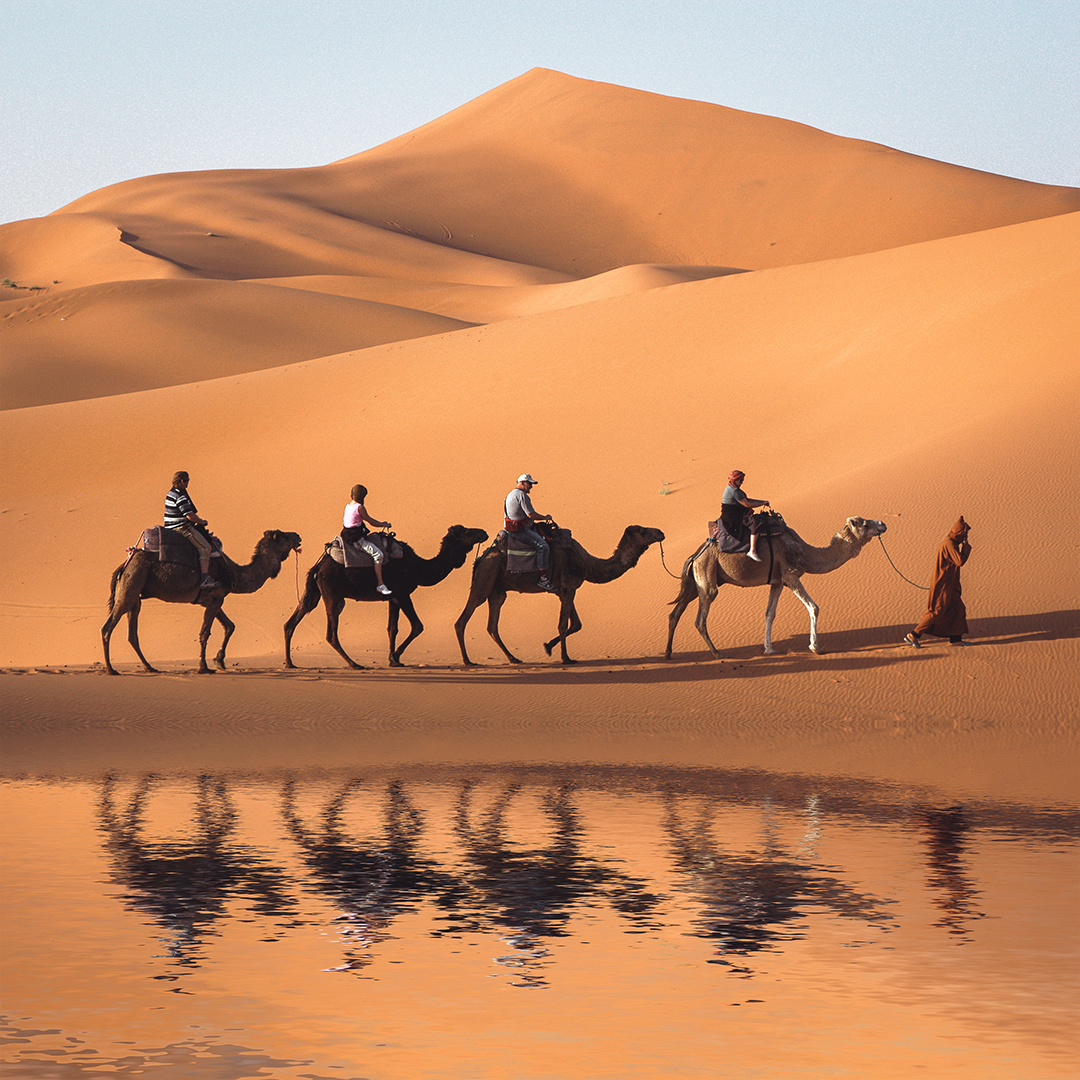
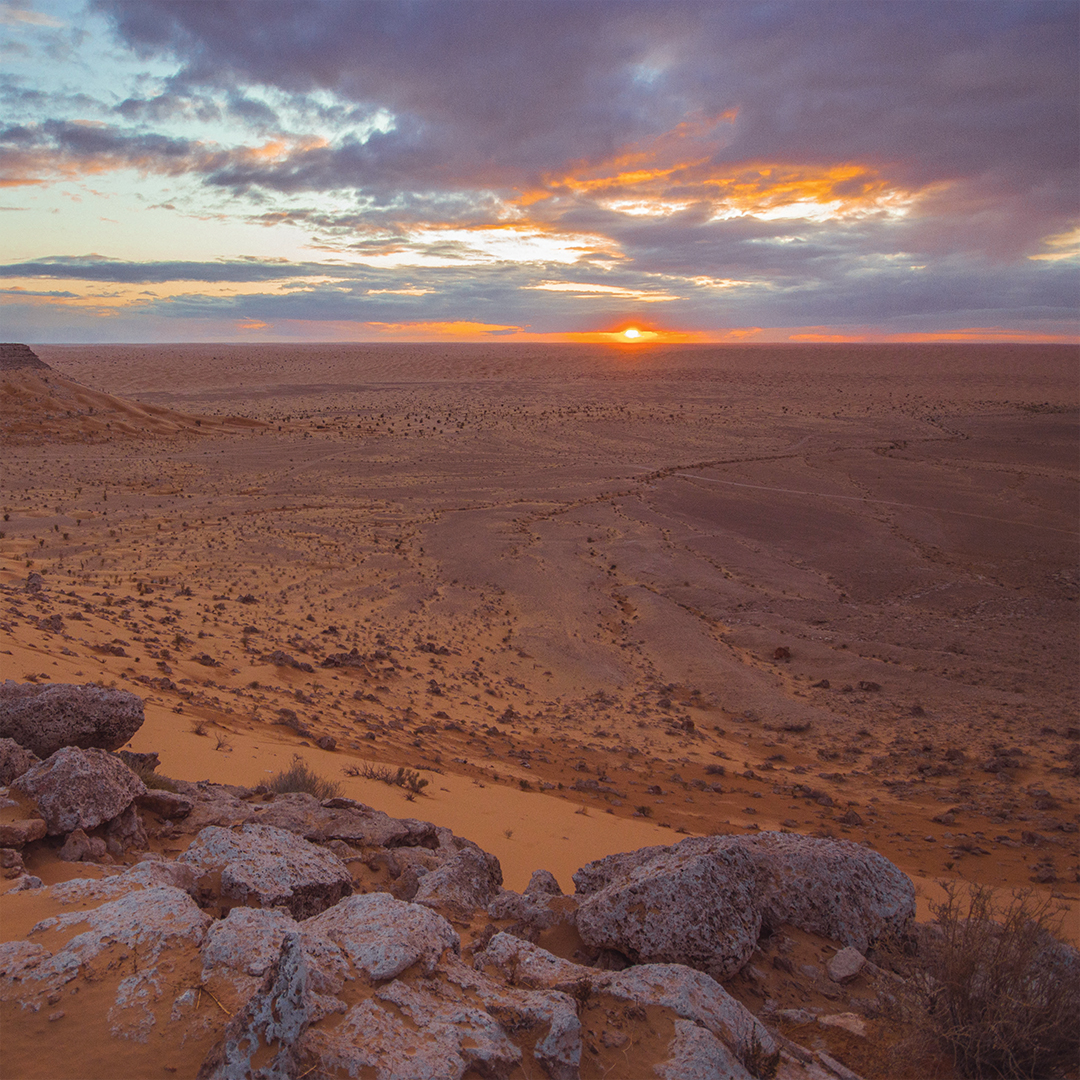
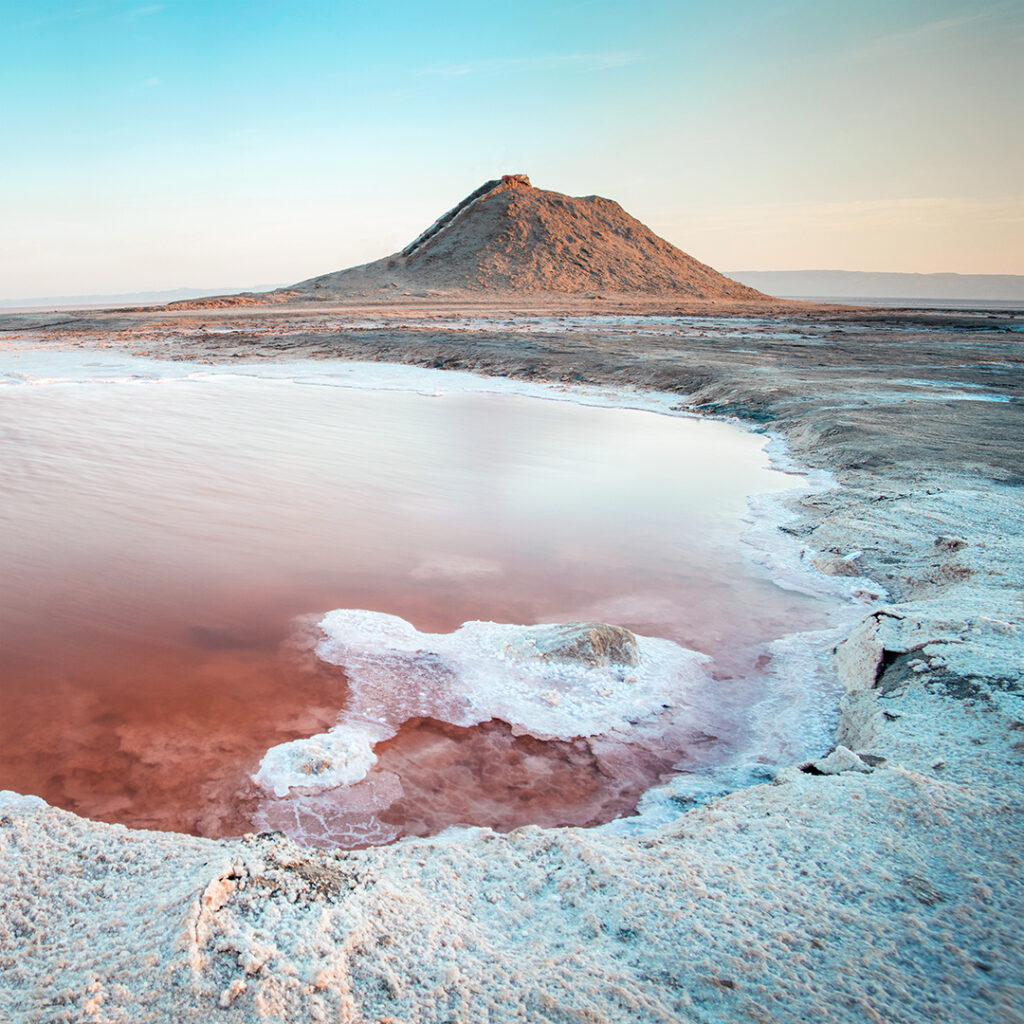
In the aforementioned village, various animals are raised, such as goats that can be petted or chameleons that can be carried. Being on this two-day trip, I also had the opportunity to go to the largest salt lake in Tunisia - Chott El Jerid, located in the desert itself. Here you could admire a beautiful landscape enriched with salt crystals of various colors. One of the last stages of my trip was the possibility of a 30-minute camel ride in the sandy Sahara desert at sunrise. The whole trip allowed me to better understand the Tunisian lifestyle, their culture, history and customs. Finally, it is worth mentioning the water sports offered at almost every hotel - such as water scooters or catamaran cruises. These are attractions that are noteworthy, especially for people who like active recreation. Of course, Tunisia is famous for many other monuments and attractions that are worth seeing, but I haven't mentioned yet in my article. The most interesting of them are the capital of Tunisia - Tunis, Hammamet, Sousse, Monastir and Port El Kantaoui. The Djerba island also offers many other interesting attractions that I have not been able to visit so far, but I am sure that the next time I visit this location, I will supplement the interesting places I have visited with new ones.
Local kitchen
Being in a given country, I always try to try local food and local dishes to discover new flavors. I believe that this not only allows you to expand your diet with interesting ideas and additives, but also helps you get to know a given culture and its food resources better. Tunisia is famous for its many distinctive and aromatic dishes that are worth trying when visiting the country. I especially recommend the local fish and seafood, which are perfectly seasoned - especially prawns with garlic, as well as traditional briks, i.e. crispy dumplings made of special dough filled with stuffing. I liked the ones stuffed with potatoes, eggs and shrimps the most. A typical traditional dish in Tunisia is also couscous, which is prepared in a completely different way than in Europe. The way this dish is prepared by the Tunisians gives it a light character and a unique flavor. I'm not a big fan of couscous, but the one in Tunisia was really delicious. Tunisia is also famous for its delicious halva and baklava, i.e. filo pastry in honey syrup, layered with almonds, walnuts or pistachios. I must admit that I liked the sweet specialties of Tunisian cuisine very much and I always ate them as a dessert with my meals. It is worth noting here that a significant part of desserts in Arab countries is very sweet, but still delicious. Their taste is so balanced that it's hard to deny yourself another serving, especially for people who like sweets.
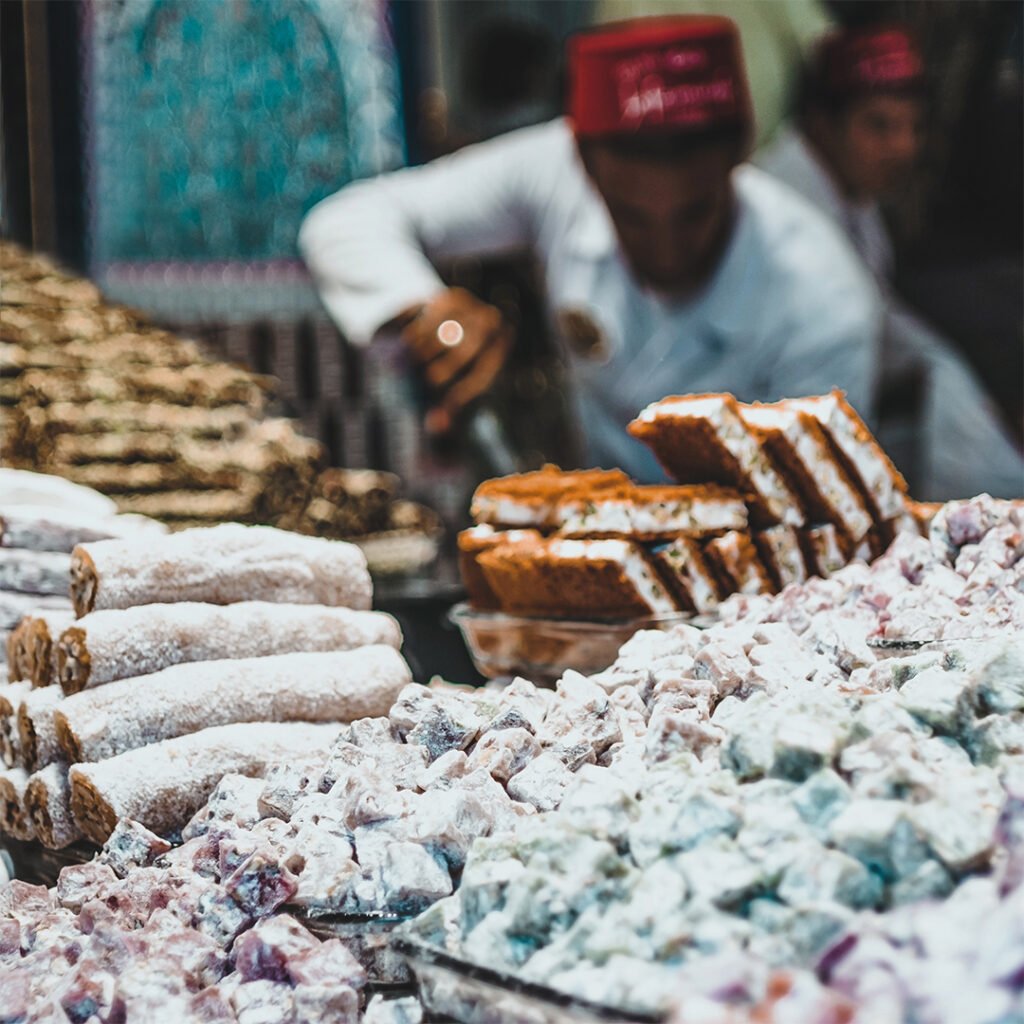
These are indescribable impressions for our taste buds, so while in this country, I especially recommend trying local sweets. Among other sweet specialties of Tunisian cuisine, it is also worth mentioning Rachatłukum, i.e. soft sweets with the consistency of powdered jelly, as well as nougats made of eggs, honey and nuts. All of the sweet specialties I have listed are usually available for purchase in local stores, and the prices for them are relatively wallet-friendly. I bought these treats together with other souvenirs as holiday gifts for my relatives. Finally, I would like to add that Tunisia is also famous for its intense and aromatic spices that are worth buying for your home. These spices are very cheap and of great quality.
Personal travel tips
When going to Tunisia, it is worth remembering a few basic issues. No visas are required for polish people to stay in Tunisia, as long as the stay will not be longer than 90 days. You only need to have a passport valid for up to 3 months from the date of leaving Tunisia. Regarding the Covid-19 situation, currently vaccinated people who are vaccinated with all basal doses (even without extra doses) are exempt from pre-departure testing, as Tunisia does not have an expiration date for these vaccinations, as applicable in Poland. Theoretically, a negative RT-PCR test or a Covid passport is required to enter the country, but I was not checked for this document.
The currency in Tunisia is the Tunisian dinar (TND), the current exchange rate to the zloty is: 1TND = 1.46 PLN (As of 09/12/2022). In this regard, remember to bring currency that is easy to convert into dinars in Tunisia. It's best to take euro with you or make a purchase with a card that supports payments in multiple currencies. Due to the fact that it is forbidden to export dinars from Tunisia, before each departure from this country, the local currency should be exchanged for another one. In order to avoid double currency conversion, I recommend making card payments (if possible), as many of the stores available there offer the option of paying by credit card. This also applies to stores on the so-called bazaars. I usually take money for my travels in the required currency in a given country (in dollars or euros), and I also take a credit card that offers multi-currency payments. Perhaps the most important thing during your stay in Tunisia is to remember not to drink tap water and be careful in the pool to avoid accidentally choking on water. Remember to drink only bottled water or boil it before consumption. This country has a different bacterial flora and you can develop stomach problems. For purely preventive purposes, it is worth considering taking adequate medications with you in the event of such a situation.
Brushing your teeth should also be done with bottled water. In hotels, they provide mineral water to your room every day at no extra charge, so it shouldn't be a problem. If, however, it is not available, it is enough to ask the hotel staff to provide a new one. A key element that I would like to mention is getting around Tunisia. If we want to visit nearby places, get to the nearby city or the nearby shops located a bit further from the hotel, I recommend taking taxis, which are relatively cheap and completely safe. Most often, taxi drivers offer a comprehensive set of trips in both directions, as well as waiting for the customer in a fixed place until he finishes sightseeing or shopping. Currently, the price for 1 kilometer is around 0.40-0.50 TND both ways (including the entry fee and waiting time until we want to return). It is best to set the price in advance before the trip. Local shopkeepers or taxi drivers are open to price negotiations, so sometimes it is worth bargaining lightly. I was able to pay TND 35 round trip for a trip of around 20km in both ways. In the case of longer routes or sightseeing, it is better to use the tours offered by local tourist companies and travel with a guide. If you want to buy some souvenirs in Tunisia, it is worth going to the local market, i.e. souk, because prices in shops near hotels are much higher. In addition, at such bazaars we can find practically everything. Here I recommend bargaining as well, because in Tunisia it is simply a custom and local traders like it very much. For them it is a kind of quintessence of every transaction. The better and smarter the customer haggling, the more he is remembered. As for my stay in Tunisia, I like to carry out my travels in a fairly balanced way. I like it when the right proportion is kept between simply relaxing and absorbing local culture and monuments. In the first part of my trip, I used the charms of the hotel and devoted my time to a full rest, while in the second part I devoted myself to sightseeing and enjoying the attractions available here. The right balance between these forms of recreation always allows me to be fully satisfied with my stay in a given country. In Tunisia, the multitude of monuments and attractions is really huge. I will definitely come back here more than once to visit the rest of the places I missed, because unfortunately during an ordinary holiday trip it is impossible to experience everything. I hope that this article from my stay will inspire you to visit Tunisia personally in the near future.